


Ask about workforce scaling methods, equipment flexibility, material lead time planning, and how your account gets prioritized when multiple brands ramp simultaneously. Industrial Packaging handles seasonal surges through cross-trained teams, modular production lines, and open communication about capacity allocation so brands know where they stand before Q4 arrives.
The overtime surge in October. The production line that sat idle in February. Seasonal demand variability is part of CPG reality, and your secondary packaging repacker needs to absorb those swings without service degradation. This article focuses on the specific questions to ask when evaluating a contract packager's contract packaging capacity for seasonal programs, particularly the Q4 holiday window when multipack, club pack, and display volume spikes across multiple client bases.
How Does Your Copacker Scale Labor for Q4 Volume Spikes?
Ask whether they use temporary staffing agencies, extend existing employee hours, or maintain a bench of cross-trained workers who can shift between production lines. The labor model determines how quickly a copacker can ramp capacity and how consistent quality remains under pressure. Industrial Packaging uses cross-trained temp and permanent employees who rotate across multipack assembly, kitting, and display build lines, which means the team already understands your product specifications before the holiday surge begins.
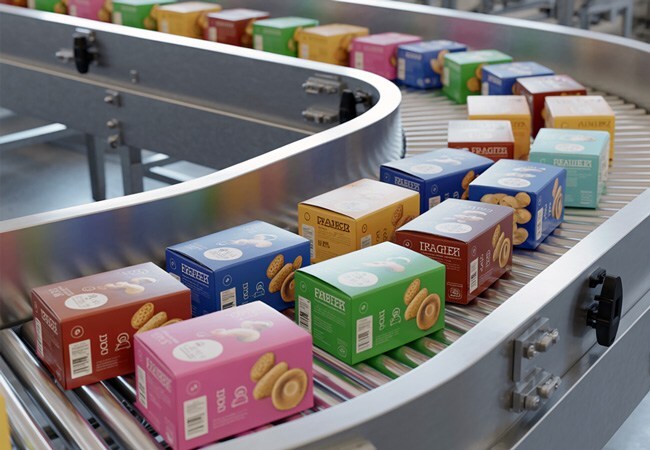
Temporary labor introduces quality and training risks if your training program is not up to snuff. If your repacker relies heavily on seasonal hires brought in during October, ask how many days of training those workers receive or what their turnover rate is. A key indicator of excellent training and a place that temp workers want to work is he reject rate. Ask what your reject rate tolerance should be during ramp-up weeks. Some copackers maintain workforce stability by operating at moderate utilization year-round, which gives them headroom to add shifts rather than add inexperienced bodies. Pick and pack work and light assembly tells a different story for easily trained and happy temp workforce. At around 60% base capacity utilization, Industrial Packaging scales through shift extension with an optimal training plan and a great place our temp team loves to work!
Cross-training also matters for account priority, including for temp employees. When a workforce can move fluidly between clients and service types, your seasonal program doesn't compete for a fixed pool of specialized labor. Ask your copacker what percentage of their production team is cross-trained across at least two service categories. If the answer is low, your holiday display build might wait while their dedicated display crew finishes another brand's backlog. We have training matrices for both temp and permanent labor visible to everyone, allowing each person working st Industrial Packaging to upskill and grow.
| Labor Scaling Method | Ramp Speed | Quality Risk | Best For |
|---|---|---|---|
| Temporary Staffing Agency | Fast (1-2 weeks) | High (training lag) | light industrial labor, easy training and short-notice spikes |
| Overtime for Existing Workforce | Immediate | Low (experienced team) | Moderate surges within equipment capacity |
| Cross-Trained Employee Pool | Moderate (1 week) | Low (familiar processes) | Planned seasonal ramps across multiple service types |
| Maintained Bench Capacity with temp and perm | Immediate | Very Low | Premium partnerships with dedicated resources |
What Happens When Multiple Large Accounts Ramp at the Same Time?
Ask explicitly how your account gets prioritized when conflicting demand hits during the same week in October. A 2026 survey by Packaging World found that mid-sized CPG brands consistently cited fear of deprioritization when larger clients ramp as their top concern when evaluating contract packagers. The copacker's answer to this question reveals whether they operate on a first-come allocation model, a tiered customer priority system, or a capacity reservation approach.

Industrial Packaging addresses this through advance capacity planning conversations that happen in Q2, not Q3. Brands commit volume forecasts by service type and week, and the production schedule gets built collaboratively with visibility into where constraints exist. If two large snack brands both want 500,000 multipacks assembled the week of October 15, you know about the conflict in June, not when your POs arrive. This prevents the scenario where your club pack program gets delayed because another client submitted their forecast earlier.
Ask whether your copacker publishes a capacity calendar that shows committed weeks and available windows. If they don't track bookings visibly, you're operating blind on whether your seasonal slot is actually reserved or just a hopeful placeholder. Also ask what happens if you need to shift volume between weeks after the forecast is locked. Rigid schedules create problems when retail program timing shifts. Modular production lines and cross-trained labor give a repacker flexibility to accommodate reasonable changes without cascading delays across their entire client base.
How Far in Advance Do You Need Material Commitments for Seasonal Programs?
Ask what lead time the copacker requires for corrugate, shrink film, and other secondary packaging materials during Q4. The answer tells you whether they're managing material procurement proactively or passing supply chain risk back to you. According to Packaging Dive's January 2026 analysis, containerboard demand entered the year at suppressed levels compared to prior years, which creates potential availability advantages for brands planning early, but only if your repacker is locking in material commitments ahead of the autumn rush.
Some contract packagers require brands to ship materials along with primary-packaged goods. Others procure secondary packaging materials themselves and build costs into per-unit pricing. Industrial Packaging typically handles corrugate and film purchasing for recurring programs, which consolidates buying power and removes a coordination step from your logistics plan. The standard lead time for material commitments on seasonal programs is 8-10 weeks before production, though rush coordination is possible depending on what's already in inventory.
Ask whether your copacker maintains safety stock of common materials like standard shrink film gauges or corrugated RSCs. If they operate on a just-in-time material model, your seasonal program is vulnerable to supplier delays that are outside both your control and the repacker's control. Also ask what happens if your retailer changes display specifications in September. Can the copacker pivot to a different corrugate size without killing your production window, or does the material lead time reset and push your program into November? The ability to adapt to late-breaking changes separates responsive partners from rigid processors.
Can Your Equipment Handle Volume Spikes Without Line Changeovers?
Ask whether seasonal volume increases require production line reconfiguration or whether existing equipment simply runs longer shifts. Equipment changeover time becomes a hidden capacity tax during peak season. If your copacker needs to swap tooling, adjust conveyor speeds, or recalibrate shrink tunnels every time they switch between your club pack and another client's multipack, you're losing production hours to setup instead of output.
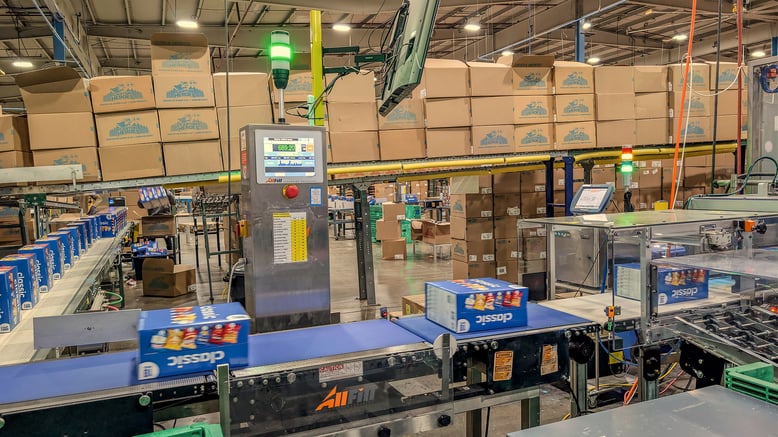
Modular production lines designed for secondary packaging repack work offer flexibility without changeover penalties. Industrial Packaging operates shrink wrap systems and assembly lines that accommodate different product dimensions and packaging formats through adjustable guides and quick-change fixtures, not full teardowns. This design philosophy emerged specifically to handle the brand and SKU diversity that characterizes seasonal programs, where a single week might include Halloween candy multipacks, Thanksgiving snack variety packs, and holiday beverage club packs across different clients.
Also ask about backup equipment. If a shrink tunnel goes down during the third week of October, does production stop until repairs complete, or can volume shift to a redundant line? Copackers operating at high utilization with no spare capacity have no fallback when equipment failures happen during peak season. Leading contract packagers responding to the capacity flexibility demand identified in the Packaging World survey are investing in cross-functional equipment that can handle multiple packaging formats, which provides both efficiency gains and resilience when primary systems need service. When evaluating a repacker for seasonal partnership, ask what their equipment redundancy plan looks like.
| Equipment Configuration | Changeover Time | Flexibility | Risk During Peak Season |
|---|---|---|---|
| Dedicated Single-Format Lines | High (4-8 hours) | Low | High (bottlenecks when demand shifts) |
| Modular Adjustable Systems | Low (30 min - 1 hour) | High | Low (adapts to volume mix changes) |
| Fully Automated Fixed Lines | Very High (12+ hours) | Very Low | Very High (no pivot capability) |
| Manual Assembly Stations | None (labor shifts between tasks) | Very High | Moderate (quality variability under speed pressure) |
How Do You Communicate Capacity Constraints Before They Become Problems?
Ask what the copacker's early warning system looks like when seasonal demand is tracking above forecasted levels. Reactive communication during Q4 is too late. You need a repacker who tells you in August that October is filling faster than expected, not one who tells you in September that your production slot just got pushed two weeks because three other clients increased their forecasts.
Industrial Packaging provides shared workbooks and live order tracking that show not just your program status but also aggregate facility load by week. Visibility into overall capacity utilization lets you make informed decisions about whether to pull volume forward, shift SKU mix toward simpler formats that run faster, or accept a later delivery window. Transparency about constraints is more valuable than optimistic promises that fall apart under execution pressure.
Also ask how the copacker handles scope changes during active production. If your retailer increases the club pack order by 30% while the job is already running, can the repacker extend the run and delay the next client by a day, or does the additional volume get pushed to a separate production window three weeks later? Dynamic scheduling capability matters during seasonal surges when market conditions and retail orders shift rapidly. The contract packagers that Packaging World identified as leading the industry in flexibility are building scheduling systems that accommodate reasonable in-flight changes without cascading disruption. When evaluating a partner for seasonal capacity reliability, ask for examples of how they've handled mid-production volume increases in prior Q4 periods.
How Industrial Packaging Handles Seasonal Surge Capacity
Industrial Packaging approaches seasonal capacity through three operational levers: workforce cross-training, modular equipment design, and advance capacity planning conversations. The cross-trained employee base means that when your holiday display build volume doubles, the team assembling those displays already has experience with your brand's quality standards and SKU configurations from prior multipack or kitting work. This eliminates the quality learning curve that typically accompanies volume ramps.
Capacity planning begins in Q2 with forecast requests across all active clients. The production schedule gets built collaboratively, and conflicts get surfaced early when solutions still exist. Brands receive visibility into committed capacity windows and can see aggregate facility utilization, which supports informed decisions about timing and volume allocation. The 98.98% fill rate that Industrial Packaging maintains across all programs, including seasonal surges, reflects the effectiveness of this advance planning model.
Material procurement for secondary packaging happens centrally for most programs, which removes a coordination variable and locks in corrugate and film availability ahead of autumn demand spikes. When late-breaking specification changes occur, modular production lines and safety stock inventory provide adaptation capability without resetting lead times. Operating at approximately 60% base utilization creates headroom to scale through shift extension rather than temporary labor inflation, which maintains quality consistency when contract packaging volume peaks during Q4.
Frequently Asked Questions
When should I submit my Q4 seasonal forecast to my copacker?
Submit initial volume forecasts by the end of Q2 if your program involves significant capacity allocation during October through December. Industrial Packaging requests forecasts in June to build production schedules collaboratively and surface conflicts before summer ends. You can refine volume estimates as retail orders firm up, but the earlier your copacker understands directional demand, the better they can reserve equipment and labor capacity.
What's a reasonable lead time for a new seasonal program that wasn't forecasted in advance?
For new programs introduced during Q3 for Q4 execution, expect lead times to vary by copacker capacity availability. If you're asking for October production in August, you're competing for slots that may already be committed to other brands. A repacker operating at moderate base utilization can typically accommodate new programs with 6-8 weeks notice, but that window tightens as autumn approaches. Industrial Packaging evaluates new seasonal requests based on current capacity commitments and material lead times, which vary by program complexity and volume.
Should I expect higher pricing for seasonal surge volume compared to steady-state programs?
Pricing may include premiums for rush timelines or premium labor costs if weekend or holiday shifts are required, but volume surges within forecasted seasonal windows typically don't carry surcharges at Industrial Packaging. The per-unit cost model remains consistent whether you're running 100,000 multipacks in March or 500,000 in October, assuming the forecast was submitted during advance planning cycles. Late-breaking additions or specification changes that require expedited material procurement may carry incremental costs depending on supplier constraints.
How do I know if my copacker has enough capacity for my seasonal program without seeing their other client commitments?
Ask for a capacity calendar or aggregate utilization view that shows committed production windows without exposing confidential client details. Industrial Packaging provides visibility into facility load by week and service type, which lets brands assess whether requested timelines align with available capacity. If a repacker can't or won't share capacity visibility, you're making decisions blind on whether your program fits their operational reality.
What happens if my retail partner pushes the program launch date after production is scheduled?
Ask your copacker about their change order process and rescheduling flexibility. Industrial Packaging handles launch date shifts through dynamic scheduling that attempts to accommodate changes without disrupting other client programs, though significant date movements may require moving to a different production window depending on aggregate facility load. The earlier you communicate retail date changes, the more options exist for adjustment. Programs already in production are harder to pause and restart than those still in the scheduling queue.
Can my copacker hold finished seasonal goods in their warehouse if retail delivery windows shift?
Storage capability varies by contract packager and available warehouse space during peak season. Industrial Packaging can hold finished goods for limited periods depending on current inventory levels and warehousing capacity, but extended storage during Q4 when space is constrained may not be feasible for all programs. If your retail partner has a history of shifting delivery windows, discuss warehousing options and costs during the initial program planning conversation rather than assuming storage is automatically available.
How far in advance do leading copackers book out their Q4 capacity?
Premium capacity windows during October and November often commit 4-6 months in advance among contract packagers serving large CPG brands with established seasonal programs. If you're evaluating a new repacker partnership and need Q4 capacity, start conversations in Q1 or early Q2 to secure optimal production timing. Copackers with modular lines and cross-trained workforces can sometimes accommodate later requests, but you'll have more scheduling flexibility and lower risk if you plan early.
Ready to Evaluate Your Options?
Seasonal surge capacity isn't just about equipment throughput. It's about workforce stability, transparent capacity planning, material procurement timing, and communication when constraints appear.
Whether you're evaluating a new contract packaging partner or stress-testing your current copacker's readiness for Q4, the questions in this article surface the operational realities that determine whether your seasonal program executes smoothly or becomes a October crisis. If you're planning holiday multipacks, club packs, or retail displays for 2026 and want to discuss capacity options with a repacker that manages seasonal surges through advance planning and cross-trained labor, explore our partnership approach or review the evaluation framework that helps brands assess copacker capabilities systematically.