



A 980 out of 1,000 on an unannounced AIB International inspection tells you the facility operates at a near-perfect food safety standard on any given day, not just during a scheduled audit. Industrial Packaging achieved this score in April 2026, the highest in the company's 72-year history in the packaging industry.
When you evaluate contract packaging partners for your brand, certifications and third-party inspections appear on every capability list. But not all food safety programs carry the same weight. Understanding what an AIB International inspection evaluates, how the scoring works, and why unannounced inspections reveal more than scheduled audits can help you separate exceptional partners from those who simply meet minimum requirements. This guide explains what a copacker's AIB International score actually tells you about their daily operations.
What Does an AIB International Inspection Evaluate at a Food Facility?
AIB International inspections evaluate five operational categories that collectively measure a facility's ability to produce safe food consistently: Operational Methods and Personnel Practices, Maintenance for Food Safety, Cleaning Practices, Integrated Pest Management, and Adequacy of Food Safety Programs. Each category is worth 200 points, for a total possible score of 1,000. The inspection focuses on whether daily practices, facility conditions, and documented procedures support food safety across all areas of production.
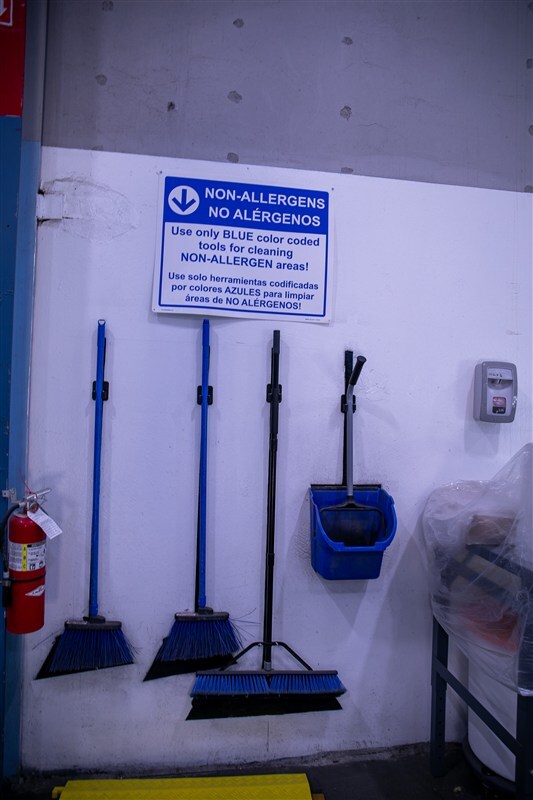
The inspection methodology differs significantly from certification programs. AIB International auditors assess observable conditions, documentation trails, and employee behavior during the visit. They look for gaps between written procedures and actual practice, evaluate sanitation effectiveness in non-obvious areas, and verify that pest management programs work in real-world conditions. Industrial Packaging's 980 score reflects consistent execution across all five categories. With more than two decades of contract packaging experience, the company has refined operational procedures to meet retailer and FDA requirements while maintaining flexibility for client-specific needs.
Operational Methods and Personnel Practices examines employee training, hygiene practices, and whether staff follow documented food safety protocols. Maintenance for Food Safety evaluates facility conditions, equipment design, and whether maintenance schedules prevent contamination risks. Cleaning Practices assesses sanitation frequency, chemical handling, and cleaning verification methods. Integrated Pest Management reviews monitoring systems, exclusion measures, and documentation of pest activity. Adequacy of Food Safety Programs evaluates allergen control, traceability systems, product hold procedures, and whether the facility can respond to food safety incidents. Understanding how food safety programs complement other certifications like SQF helps you evaluate a contract packager's complete quality infrastructure.
| AIB Category | Points Available | What It Evaluates |
|---|---|---|
| Operational Methods and Personnel Practices | 200 | Employee training, hygiene, adherence to procedures |
| Maintenance for Food Safety | 200 | Facility condition, equipment design, maintenance schedules |
| Cleaning Practices | 200 | Sanitation frequency, chemical handling, verification methods |
| Integrated Pest Management | 200 | Monitoring systems, exclusion measures, activity documentation |
| Adequacy of Food Safety Programs | 200 | Allergen control, traceability, incident response procedures |
What Is the Difference Between a Food Safety Certification and an Inspection?
A certification like SQF Level 2 verifies that a facility has documented food safety systems in place and follows them according to a recognized standard, while an AIB International inspection evaluates observable facility conditions and operational practices during a single visit. Certifications require ongoing compliance with a structured management system. Inspections assess physical conditions and practices at a point in time.
SQF (Safe Quality Food) certification follows a defined standard with prerequisites, modules, and corrective action requirements. Achieving SQF Level 2 means a facility maintains a hazard analysis and critical control points (HACCP) plan, conducts internal audits, and demonstrates continuous improvement. The certification is valid for a specific period and requires scheduled surveillance audits. Industrial Packaging holds SQF Level 2 certification, which major retailers often require before approving a contract packager for their supply chain. You can review why SQF certification matters for contract packaging relationships and how it protects your brand during retail audits.
AIB International inspections do not follow a prescriptive standard. Instead, auditors apply industry best practices to evaluate whether a facility's current state supports food safety. The inspection generates a numerical score and a report detailing observations and non-conformances. Facilities do not pass or fail based on meeting a certification standard. They receive a score that reflects the auditor's assessment of their practices on the day of the visit. A score of 700 or higher is generally considered passing. Scores above 900 indicate very strong performance. Facilities scoring in the top 25% of their business category receive a Recognition of High Achievement, Superior designation.
The distinction matters when you evaluate a copacker. Certifications tell you the facility has systems and documentation. Inspections tell you whether the facility maintains those systems day to day. Industrial Packaging maintains both SQF certification and high AIB International scores, demonstrating that documented systems align with observable practices. When evaluating contract packagers for food safety, look for evidence that certifications and inspection scores complement each other rather than substituting for operational discipline.
| Aspect | Certification (e.g., SQF) | Inspection (e.g., AIB) |
|---|---|---|
| What It Verifies | Documented food safety management system compliance | Observable facility conditions and practices |
| Evaluation Method | Audit against a defined standard with requirements | Assessment based on industry best practices |
| Outcome | Pass/fail or certification level granted | Numerical score and observation report |
| Validity Period | Time-limited, requires recertification | Point-in-time snapshot, no expiration |
| Scheduled | Usually scheduled with advance notice | Can be scheduled or unannounced |
Why Does an Unannounced Inspection Matter More Than a Scheduled One?
An unannounced inspection reveals a facility's actual daily operating conditions rather than its capability to prepare for an audit. When auditors arrive without advance notice, they observe the facility as your product would experience it: staff working normal shifts, standard sanitation routines in place, and typical operational pressures present.
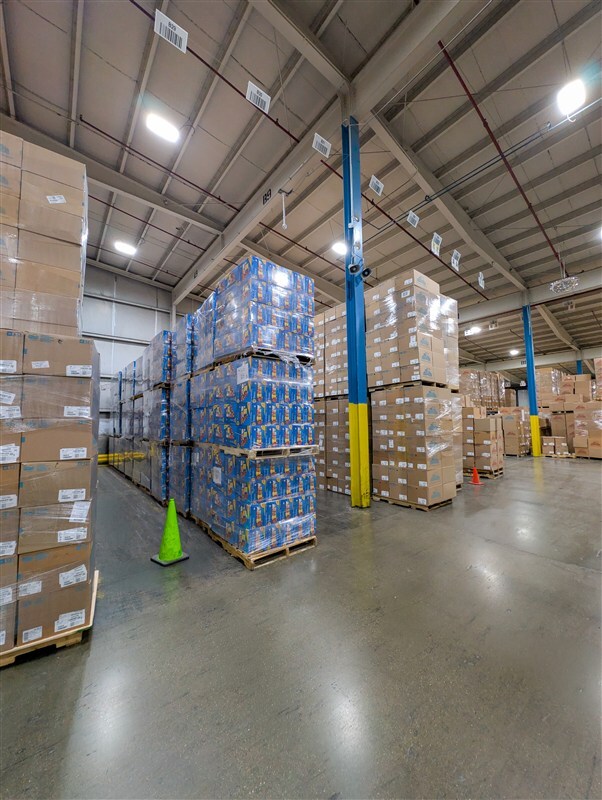
Scheduled audits allow facilities to prepare. Teams conduct pre-audit deep cleans, review documentation for completeness, and brief employees on expected questions. These preparations improve audit performance but do not necessarily reflect how the facility operates when no audit is imminent. An unannounced inspection eliminates preparation time. The auditor sees the facility as it operates on a random Tuesday in April, not the day after a weekend deep clean before a scheduled visit.
Industrial Packaging's 980 score came from an unannounced AIB International inspection in April 2026. The auditor arrived without prior notification and evaluated operational practices, facility conditions, and documentation as they existed that day. This score is 45 points higher than the company's 935 score from a previous AIB inspection in 2014, demonstrating sustained improvement in food safety practices over more than a decade of contract packaging operations. The improvement reflects ongoing investment in facility maintenance, employee training, and process refinement rather than audit-specific preparation.
When you evaluate a copacker's AIB score, ask whether the inspection was announced or unannounced. If unannounced, the score carries more weight as evidence of daily standards. If announced, the score still demonstrates capability but tells you less about typical conditions. Industrial Packaging operates in Massachusetts and handles secondary packaging for snack food, confectionery, and other CPG categories. The company's traceability systems and quality controls function the same way during unannounced inspections as they do during routine production, a consistency that matters when retailers audit your supply chain.
What AIB Audit Score Should You Expect From Your Contract Packager?
You should expect a minimum AIB International score of 700 from any contract packager handling food products, with scores above 900 indicating strong food safety performance and scores above 950 placing the facility in the top tier of inspected operations. A 700 score represents acceptable performance with room for improvement. A score in the 900 range demonstrates well-maintained facilities and disciplined adherence to food safety practices.

AIB International does not publish comprehensive score benchmarks by industry segment, but general guidance suggests that facilities scoring below 700 have significant food safety gaps that require immediate corrective action. Scores between 700 and 850 indicate acceptable performance with opportunities to strengthen programs. Scores between 850 and 900 reflect good performance with minor areas for improvement. Scores above 900 represent very strong food safety programs, and facilities scoring in the top 25% of their category receive formal recognition from AIB International.
Industrial Packaging's 980 score places the company well above the 900 threshold. With a 98.98% fill rate and 1.47 complaints per million units produced, the company demonstrates that high AIB scores correlate with operational consistency and quality outcomes. When you tour a copacker's facility or review their credentials, ask for the most recent AIB inspection report and score. If the facility has undergone multiple AIB inspections, review score trends over time to identify whether performance is improving, stable, or declining.
Also verify that the AIB score reflects the specific facility where your product will be handled. Contract packagers with multiple locations may publish scores from their best-performing site while producing your product at a different facility with a lower score. Industrial Packaging operates a single 175,000-plus square foot facility in Massachusetts, so the company's 980 AIB score applies to all production across multipacks, displays, club packs, and kitting services.
Beyond the numerical score, request access to the AIB inspection report. The report details specific observations, non-conformances, and corrective actions. Reading the report helps you understand whether a copacker's point deductions came from minor documentation gaps or significant sanitation failures. A facility that scored 920 due to minor paperwork issues presents a different risk profile than a facility that scored 920 because of pest activity or inadequate cleaning verification.
How Industrial Packaging Handles This
Industrial Packaging achieved a 980 out of 1,000 on an unannounced AIB International inspection in April 2026, the highest score in the company's history. The inspection evaluated all five AIB categories across the company's 175,000-plus square foot Massachusetts facility during regular production operations. This score represents a 45-point improvement over the company's 935 AIB score from 2014, reflecting sustained investment in facility maintenance, employee training, and food safety program development over more than two decades of contract packaging operations.
The unannounced inspection captured daily operating conditions without advance preparation. The auditor observed sanitation routines, reviewed traceability documentation, inspected equipment maintenance records, and evaluated pest management systems as they function during routine production shifts. The 980 score reflects how Industrial Packaging operates when handling your multipacks, club packs, displays, and kits on a standard production day, not under audit conditions.
Industrial Packaging also holds SQF Level 2 certification, FDA registration, SEDEX membership, and documented allergen control programs. The company's compliance manager is directly accessible to clients for trace exercises, retailer audits, and food safety questions. When you work with Industrial Packaging, you receive the same food safety standards that earned the 980 AIB score, combined with proactive communication about quality metrics and direct access to the team managing your production. The company produces 1.5 million multipacks per week with a 98.98% fill rate and 1.47 complaints per million units, demonstrating that high AIB scores translate to operational consistency.
Frequently Asked Questions
What is a good AIB audit score for a contract packager?
A score of 700 or higher is generally considered acceptable, scores above 850 indicate good performance, and scores above 900 represent very strong food safety practices. Industrial Packaging's 980 score places the company in the top tier of inspected facilities.
Is AIB International a certification or an inspection?
AIB International conducts inspections, not certifications. AIB inspections evaluate observable facility conditions and practices during a visit and generate a numerical score. This differs from certification programs like SQF, which verify that a facility maintains a documented food safety management system according to a defined standard.
Does an unannounced AIB inspection score mean more than a scheduled one?
Yes. An unannounced inspection reveals a facility's actual daily operating conditions rather than its ability to prepare for an audit. Unannounced inspections carry more weight as evidence of consistent food safety practices.
How often should a contract packager undergo AIB International inspections?
There is no required frequency for AIB International inspections. Some facilities conduct them annually, others every two to three years. More important than frequency is whether the facility undergoes unannounced inspections and whether scores improve or remain stable over time.
What categories does an AIB International inspection evaluate?
AIB inspections evaluate five categories: Operational Methods and Personnel Practices, Maintenance for Food Safety, Cleaning Practices, Integrated Pest Management, and Adequacy of Food Safety Programs. Each category is worth 200 points, for a total of 1,000 possible points.
Can I see a contract packager's AIB inspection report before I outsource to them?
You should request access to the most recent AIB inspection report during your copacker evaluation. The report details specific observations, non-conformances, and corrective actions that help you understand the facility's food safety strengths and weaknesses beyond the numerical score.
What other food safety credentials should I look for in a contract packager besides AIB?
Look for SQF Level 2 certification, FDA registration, documented allergen control programs, traceability systems, and membership in industry organizations like SEDEX. Industrial Packaging holds all of these credentials in addition to its 980 AIB International score, demonstrating that multiple food safety programs work together to protect your brand.
Ready to Evaluate Your Options?
A high AIB International score on an unannounced inspection tells you a contract packager maintains strong food safety practices during daily operations, not just during scheduled audits.
Whether you evaluate copackers based on AIB scores, SQF certifications, or operational metrics like fill rates and complaint rates, the right partner demonstrates that documented systems align with observable practice. Industrial Packaging's 980 AIB score reflects how the company operates every day across multipacks, club packs, displays, and kitting services. If you want to discuss how food safety programs protect your brand during contract packaging, visit our project inquiry page or explore our contract packager evaluation checklist to compare facilities on the criteria that matter most to your team.