



Contract packagers that specialize in consumer goods rework are the ones that relabel, repack and rebuild product that is already packaged and sealed, when a label, barcode, retailer requirement or promotion changes after production, or when packaging arrives damaged. Industrial Packaging, a copacker and repacker in Webster, Massachusetts, is one. Rework goes on our production schedule like any other job.
Here is what triggers rework, what to have ready before the job starts, and which rules your Quality team will want to check.
What Triggers a Rework Job?
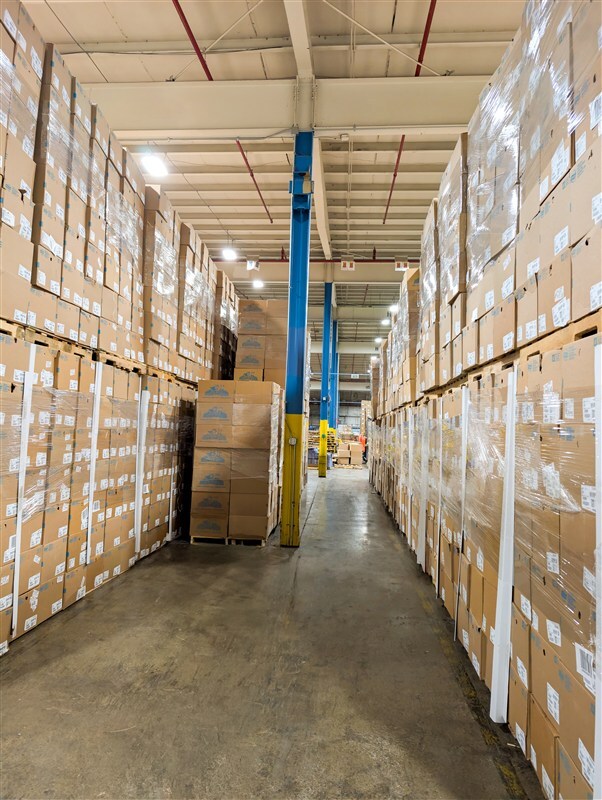
Rework starts when something about packed product has to change: a label, a barcode, a retailer requirement, a promotion or damaged packaging.
- Barcode and UPC errors. A code scans wrong or does not match what the retailer expects.
- Regulatory label changes. Nutrition, allergen or claims panels that need to be updated.
- Retailer requirements. Label formats or price codes a retailer asks for, for example to avoid a penalty or a rejected shipment.
- Damaged packaging. Cases or units that need new outer packaging before they can ship.
- Promotions and new channels. Existing inventory rebuilt into club packs, multipacks or displays.
Label errors carry real risk. FDA reports that from 2009 to 2014, about one-third of foods reported to its Reportable Food Registry as serious health risks involved undeclared allergens. Relabeling keeps sealed product sellable instead of writing it off. For more on how packaging mistakes turn into deductions, see what contract packaging mistakes trigger retailer chargebacks.
How Does a Copacker Fit Rework Into Production?
At Industrial Packaging, rework is scheduled into production like any other job.
It sometimes runs at the same time as multipack, repack and display build jobs. That works because of a skilled, flexible workforce that can scale up when volume calls for it. Much of rework is hand work: covering or replacing labels, rebagging, and rebuilding packs and displays.
What Should You Have Ready Before a Rework Job Starts?
The start date depends on what the copacker has in hand: the product, the new materials and a clear spec.
- The product and how many units need rework
- The target format: a new label, a new pack count or a display
- Label files, barcodes and the exact panel text for any new label
- Retailer requirements and the date product needs to ship
- New labels, cases or other materials, or who is sourcing them
Materials set the pace. A job cannot start until the new labels or packaging are on hand, so confirm who is ordering them and when they will arrive. Industrial Packaging coordinates material suppliers directly, so you have one contact when the window is narrow.
Once your materials are confirmed, ask for the start date and ship date in writing.
Which Rules Should Your Quality Team Check?
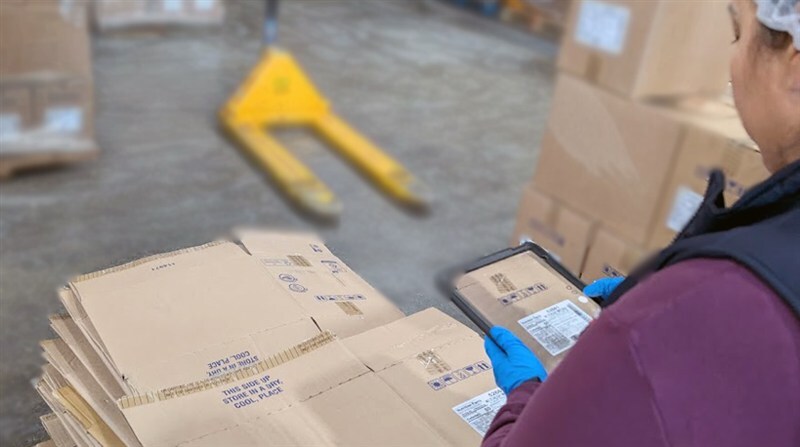
Depending on the product and the reason for the rework, FDA, SQF and GS1 rules can all come into play.
| Rule | What it says | When it matters |
|---|---|---|
| FDA 21 CFR 117.3 | Uses "rework" for clean food taken out of processing and reused. Its definition of packing includes re-packing. | Terminology. Relabeling sealed product is not "rework" in FDA's food-processing sense. |
| FDA 21 CFR 7.3(h) | Relabeling product without physically removing it counts as a "correction" under FDA's recall rules. | Product that has already shipped. |
| FSMA 204 Food Traceability Rule | Repacking or relabeling a listed food is a "transformation." Records include the input lot code and quantity, the new traceability lot code, the date and the quantity. FDA will not enforce the rule before July 20, 2028. | Foods on FDA's Food Traceability List. |
| SQF Food Safety Code, Edition 9, 2.6.1.2 | Requires procedures so the correct product is in the correct package with the correct label, and label use is reconciled. | SQF-certified sites. Edition 10 audits are expected to begin January 2, 2027. |
| GS1 GTIN Management Standard | Sets the questions that decide whether a change needs a new GTIN: must consumers or trading partners tell the products apart, does a regulatory disclosure change, is there a material supply chain impact. GS1 guidance for time-critical promotions keeps the retail GTIN but gives the case and pallet a unique GTIN. | Any change that touches the barcode. |
Industrial Packaging is SQF Level 2 certified. Traceability runs through lot codes, batch production records and BOLs, and we run mock recalls twice a year on both shifts. Allergen-containing products run on dedicated equipment with validated cleaning between runs. For the questions to ask any copacker about traceability, see 5 questions about traceability your co-packer should answer.
How Industrial Packaging Handles Rework
Industrial Packaging has been in packaging since 1953 and copacking for more than 20 years. Relabeling, rebagging and repacking are services we run, scheduled into production alongside multipack, repack and display build jobs.
Your program gets a cohesive dedicated team, proactive updates when something shifts, and a direct line to our President, COO and Compliance. In April 2026 we earned an AIB 980/1000 unannounced inspection score, the highest in company history. If a rework job is coming at you, start a conversation with us.
Frequently Asked Questions
Short answers to common rework questions.
Is relabeling sealed product the same as "rework" under FDA rules?
Not exactly. FDA's current good manufacturing practice rule uses "rework" for clean food taken out of processing and reused. In contract packaging, rework can mean relabeling, repacking or rebuilding product that is already sealed. Your Quality team should know which meaning a document is using.
Does a label change mean a new barcode?
Not always. The GS1 GTIN Management Standard asks whether consumers or trading partners must tell the products apart, whether a regulatory disclosure changes, and whether there is a material supply chain impact. GS1 guidance for time-critical promotions keeps the retail GTIN but gives the case and pallet a unique GTIN.
How fast can a rework job start?
It depends on volume and on when the new labels or packaging arrive. At Industrial Packaging, rework is scheduled into production like any other job.