



Supply Chain Services/ Contract Packaging | Food Packaging | Secondary Packaging | Contract Packaging | Point-of-Purchase Displays | Compliance and Quality
Ask questions that reveal operational transparency, not just capabilities: audit scores with dates, how fast they complete trace exercises, whether you can contact their compliance manager directly, and how they communicate when runs go wrong. Industrial Packaging provides direct access to our GM and compliance team because we know that buried contacts and chasing for updates are dealbreakers for CPG brands evaluating contract packaging partners.
Trade show conversations, like those we will have at the Sweets and Snacks Expo this week, move fast. You have 15 minutes at a booth, maybe a follow-up meeting in the hotel lobby. The questions you ask in those moments determine whether you waste the next six months evaluating a partner who can't deliver what they promised. This guide equips VP and Director-level decision makers at CPG brands with questions that cut through booth marketing and reveal who can actually execute when your production schedule, retailer deadlines, and quality standards are on the line.
What Audit Scores and Inspection Results Should You Ask About?
Ask for specific audit scores with dates, not vague certifications. A copacker who says "we're SQF certified" hasn't told you anything useful. A partner who says "we scored 980 out of 1,000 on an unannounced AIB International inspection in April 2026" has given you verifiable proof of their food safety systems. The difference matters when your Quality team needs to justify adding a vendor to your approved supplier list.
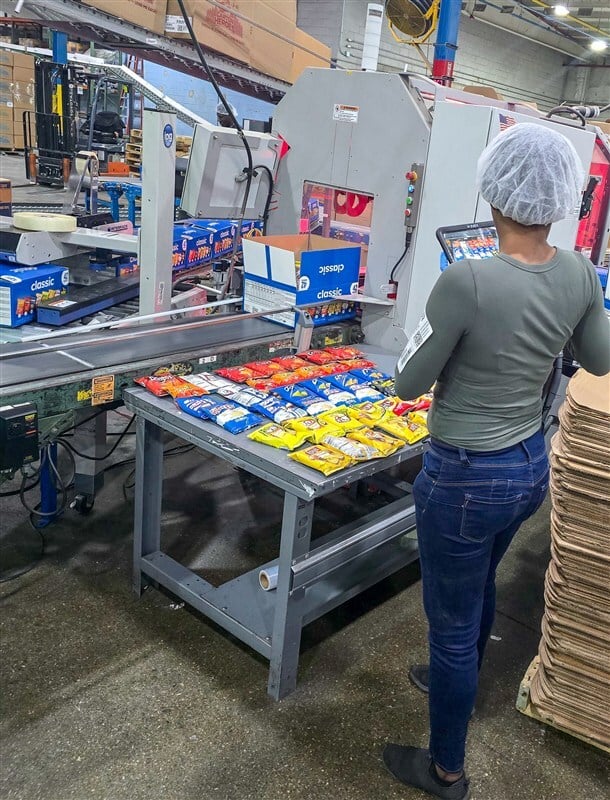
Request recent third-party inspection results. If they hesitate or deflect to "we have all the major certifications," that's a red flag. Companies with strong food safety programs talk about scores because those numbers prove operational discipline, not just compliance paperwork. Industrial Packaging shares our SQF Level 2 certification status and our AIB International inspection score of 980 out of 1,000 because we know Quality managers need specifics to build their business case internally.
Ask when their last unannounced audit occurred. Scheduled audits allow preparation. Unannounced inspections show what the facility looks like on a random Tuesday in March. That's the environment where your product will be handled. A recent unannounced inspection with a strong score tells you their quality systems run consistently, not just during audit week.
How Fast Can They Complete a Trace Exercise?
Trace exercise speed reveals whether their traceability systems are built into daily operations or assembled during recalls. Ask how quickly they can trace a lot code from finished goods back to raw materials and forward to every case that shipped. Speed matters because when a retailer flags a potential contamination issue, hours count.
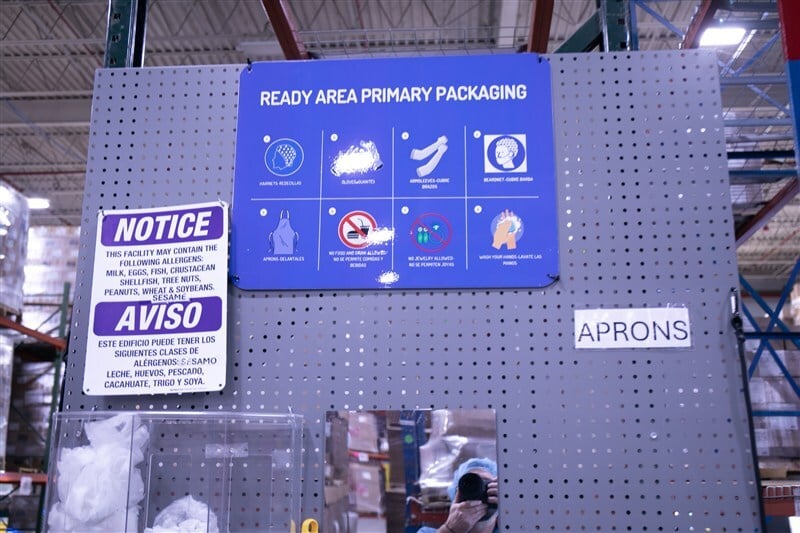
A contract packager with robust systems should answer in hours, not days. If they can't give you a specific timeframe or they say "it depends," their lot tracking probably relies on manual lookups across disconnected spreadsheets. That's a vulnerability you inherit the moment your product enters their facility. Industrial Packaging can complete trace exercises quickly because our lot tracking integrates with production documentation in real time, not after the fact.
Ask if you can observe a sample trace during a site visit. Any hesitation suggests their process isn't as streamlined as they claim. Strong partners demonstrate this capability because they know it's a qualifying factor for enterprise CPG brands.
Can You Contact Their Compliance Manager Directly?
Direct access to compliance leadership separates partners from vendors. Ask whether you'll have direct contact information for their compliance manager, or whether all inquiries route through account management. Buried compliance contacts force you to play telephone when you need immediate answers about allergen protocols, sanitation schedules, or audit documentation.
This question reveals their communication structure. If compliance access requires ticketing systems or account rep intermediaries, expect delays when your Quality team needs documentation for a retailer audit. Brands consistently cite inaccessible compliance contacts as a pain point with current copackers. Industrial Packaging provides direct access to our compliance manager because we've seen how routing every question through account teams slows down the decisions CPG brands need to make on tight timelines.
Ask who you'll interact with when problems arise. If the answer is "your account manager will coordinate," you're adding a layer of translation between the people who know your requirements and the people executing production. That gap creates the communication breakdowns that derail launches and damage retailer relationships.
| Question | Strong Answer (Reveals Capability) | Vague Answer (Red Flag) |
|---|---|---|
| What was your most recent AIB or SQF audit score? | "980 out of 1,000 on unannounced AIB inspection, April 2026" | "We're certified" or "We passed our last audit" |
| How fast can you complete a trace exercise? | "4-6 hours from lot code to full trace report" | "Within 24 hours" or "It depends on the scenario" |
| Can I contact your compliance manager directly? | "Yes, here's their direct email and phone" | "All requests go through your account manager" |
| How do you handle runs that go wrong? | "We call you the moment we identify the issue with options" | "We document everything and send a report" |
| What's your surge capacity for seasonal peaks? | "1.5M multipacks per week, currently at 60% utilization" | "We scale with customer demand" or "Flexible capacity" |
What Happens When a Run Goes Wrong?
How a copacker handles problems reveals more than how they execute perfect runs. Ask them to describe their communication protocol when a line goes down, a material shipment arrives damaged, or a quality check fails. Listen for specifics about who calls you, how fast, and what information they provide.
Strong answers include immediate notification with options. Weak answers focus on documentation and post-mortem reports. You need a partner who calls you when the problem is happening, not after they've already made decisions about your product. Ask whether their production team has authority to contact you directly or whether issues escalate through management layers before you're notified. Layers equal delays.
Request an example of a recent production issue and how they resolved it. Copackers with mature operations can describe specific scenarios without disclosing customer details. Hesitation or generic answers like "we handle issues professionally" suggest they don't have standardized reporting protocols when disruptions occur. Industrial Packaging communicates wins and issues proactively because we've learned that brands value transparency over perfection.
What Surge Capacity Can They Actually Prove?
Ask for current utilization rates and weekly capacity numbers, not vague promises about scaling. A copacker who says "we're flexible" hasn't told you whether they can absorb your October Halloween surge or your Q4 holiday volume. A partner who says "we run 1.5 million multipacks per week at 60% current utilization" has shown you exactly how much room they have to grow with your business.
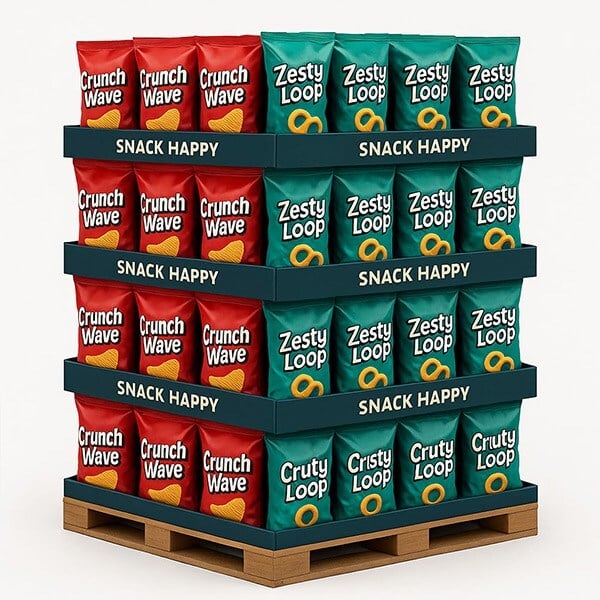
Surge capacity matters most when you need it, which is when every other CPG brand also needs it. Ask what percentage of their production floor is committed to long-term contracts versus available for seasonal work. If they're running at 95% capacity during normal periods, your surge orders will compete with existing customers or get delayed. Industrial Packaging operates at approximately 60% capacity utilization because we built our business model around supporting both consistent volume and seasonal flexibility for CPG brands.
Request examples of recent surge projects they've handled. Specific details about ramp-up timelines, volume increases, and how they staffed the surge demonstrate operational capability. Generic statements about "handling seasonal demand" don't prove they can execute when your brand needs 3x normal volume delivered in six weeks.
What Reporting Will You Actually Receive?
Reporting visibility separates partners who make you chase updates from those who keep you informed without asking. Ask what reports you'll receive, how often, and in what format. Then ask if you can see a sample report. If they can't show you an example or they describe building custom reports during onboarding, expect gaps between what you need and what they deliver.
Strong copackers provide reporting that matches how you work, whether that's daily shipping notifications, weekly production summaries, or live access to order status dashboards. Ask whether reporting is automated or manually compiled. Manual reporting breaks down when your account manager is out or when production gets busy. Automated systems keep working regardless of staffing.
Brands tell us they waste hours each week chasing shipping updates from current partners. That friction adds up across dozens of orders per quarter. Ask how you'll know when your order ships, what carrier information you'll receive, and whether you'll get proactive alerts if timelines shift. Industrial Packaging provides live visibility into production schedules and shipping status because we know supply chain teams build their planning around reliable information, not surprises.
How Industrial Packaging Handles Trade Show Conversations
We approach trade show conversations as the start of a long evaluation process, not a sales pitch. When CPG brands ask about our capabilities, we share specific proof points: our 98.98% fill rate from 2025, our AIB International inspection score of 980 out of 1,000 from April 2026, and our standard 10-business-day turnaround for secondary packaging projects. We provide direct access to our General Manager and Compliance Manager because we've seen how buried contacts create friction for brands evaluating partners.
Our team brings production samples to trade shows so you can evaluate build quality in person, not just review marketing materials. We discuss what we don't do as clearly as what we do handle. Industrial Packaging specializes in secondary packaging services like multipacks, displays, club packs, and kitting for brands in the snacks and confectionery industries. We don't handle primary packaging, temperature-controlled products, or loose materials. That focus lets us execute the work we take on without competing priorities.
After trade show conversations, we recommend site visits before committing to partnership. Seeing our 175,000-plus square foot Massachusetts facility, meeting the production team, and observing quality protocols in action gives you better evaluation data than any booth conversation can provide. Use our contract packager evaluation checklist to structure your site visit and compare partners systematically.
Frequently Asked Questions
Should I schedule a site visit after meeting a copacker at a trade show?
Yes, always visit the facility before committing to partnership. Trade show booths show marketing, not operations. Site visits let you observe quality systems in action, meet the people who will handle your products, and evaluate whether their cleanliness standards and production discipline match what your brand requires. Industrial Packaging encourages site visits because we know the facility tour reveals operational details that separate real capability from booth promises.
What red flags should I watch for during trade show conversations?
Vague answers about capacity, audit scores, or communication protocols. Reluctance to provide direct contact information for compliance or operations leadership. Promises to "figure out" reporting or trace procedures during onboarding. Inability to describe recent production challenges and how they resolved them. These patterns suggest the copacker prioritizes winning business over operational transparency.
How many contract packagers should I evaluate after a trade show?
Narrow to three serious candidates for detailed evaluation including site visits and reference calls. Evaluating more than three dilutes your ability to compare operational details systematically. Use trade show conversations to build your initial list, then prioritize partners whose answers revealed specific proof points rather than marketing language.
What should I do immediately after a promising trade show conversation?
Request their most recent audit reports, sample reporting formats, and available site visit dates. Send them your technical requirements and ask for specific responses about how they would handle your product configurations. Follow up within one week while the conversation is fresh. Strong partners respond quickly with detailed answers, not generic capability statements.
Can I evaluate a contract packager entirely at a trade show without a site visit?
No. Trade show conversations qualify or disqualify candidates for deeper evaluation, but they cannot replace seeing operations firsthand. Production discipline, cleanliness standards, and team engagement are visible during facility tours but impossible to assess in a booth conversation. Industrial Packaging has met many brands initially at trade shows, but partnership decisions happen after prospects see our facility and meet our production team.
How do I know if a copacker has real surge capacity or just says they're flexible?
Ask for current utilization rates and weekly production capacity with specific numbers. Request examples of recent surge projects including volume increases and ramp-up timelines. Copackers with genuine surge capacity share specific operational data. Partners who deflect to vague promises about scaling or flexibility cannot prove they have the floor space, equipment, and staffing model to absorb seasonal demand without disrupting existing customers.
What questions reveal whether a copacker's communication will actually be proactive?
Ask how you'll know when orders ship, who contacts you when problems occur, and what reporting you'll receive without requesting it. Listen for automated systems and direct access rather than manual processes and account manager intermediaries. Request examples of how they communicated recent production issues to customers. Industrial Packaging built our communication model around proactive updates because we know CPG brands need information flowing to them, not requiring them to chase it.
Ready to Evaluate Your Options?
The questions you ask at a trade show determine whether you spend the next year working with a reliable partner or managing a vendor who creates more problems than they solve.
Whether you're attending Sweets and Snacks Expo this week or planning for future industry events, use these questions to separate operational capability from marketing claims. After your trade show conversations, schedule site visits with the two or three copackers whose answers included specific proof points rather than vague promises. Use our evaluation checklist to compare partners systematically, and consider running a trial project before committing to high-volume production. Visit our partnership page to start a conversation about your secondary packaging requirements.